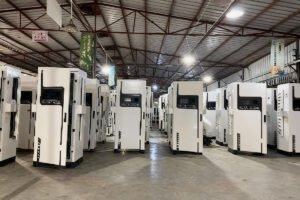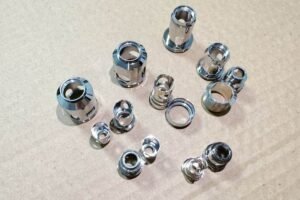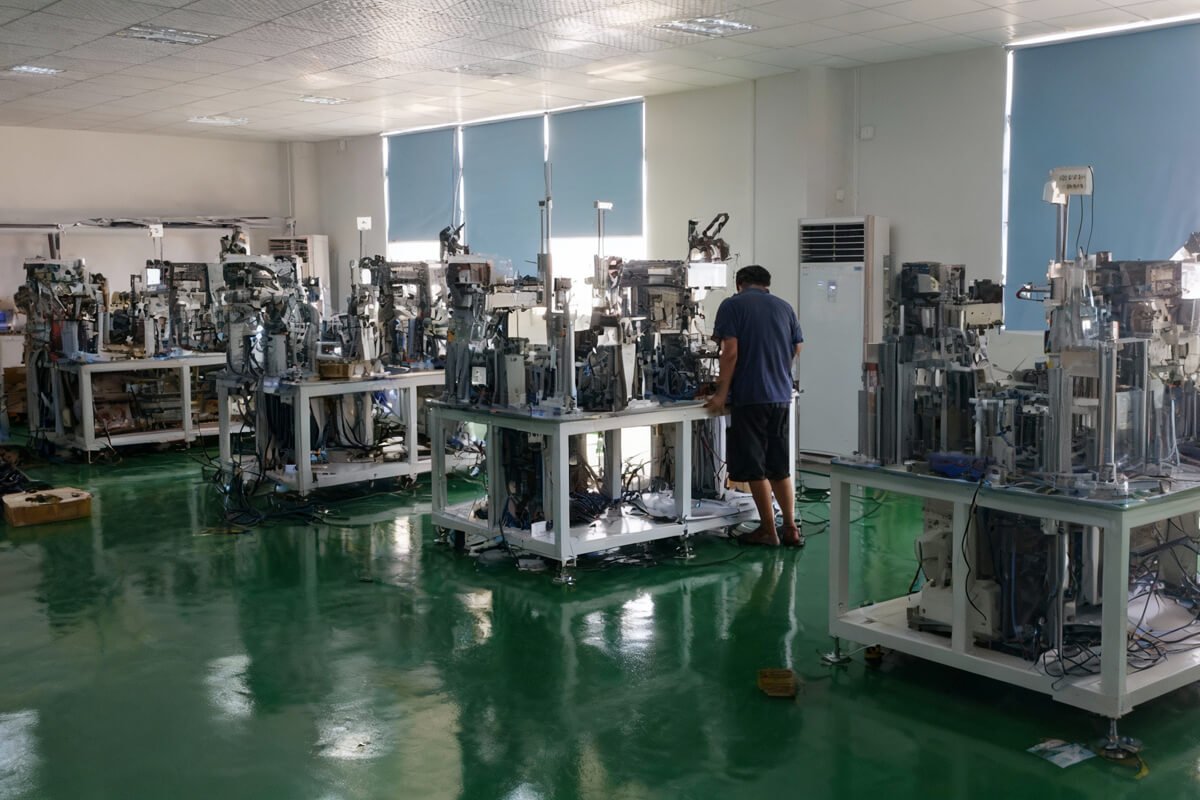
The Manufacturing of CNC Parts has completely reshaped modern engineering, offering unmatched accuracy, speed, and consistency. CNC technology (short for Computer Numerical Control) lets machines follow precise digital instructions to create complex shapes that human hands simply can’t achieve. From simple brackets to ultra-precise aerospace components, CNC machining keeps industries running smoothly.
Over the years, manufacturing has shifted from manual craftsmanship to digital fabrication. Today’s factories don’t just use tools — they use intelligent systems that calculate tool movement to the micrometer. This shift didn’t happen overnight; it evolved through continuous improvements in automation, programming, and materials.
You’ll often hear engineers talk about CNC machining with pride, and for good reason. It blends creativity with engineering logic. After spending years working directly with CNC machinists, designers, and production managers, I’ve seen firsthand how carefully designed processes make or break a final product. When the digital model is done right and the machining setup is optimized, the results are beautiful — smooth surfaces, perfect symmetry, and precise fitment.
And as technology continues moving forward, CNC machining is only becoming more accessible, more powerful, and more essential in manufacturing worldwide. Whether you’re in aerospace, medical, robotics, or consumer goods, CNC-machined parts are everywhere.
Understanding Manufacturing of CNC Parts
To understand the Manufacturing of CNC Parts, you need to start with the basics: CNC machining is a subtractive manufacturing process. That means material is gradually removed from a block using cutting tools. The machine follows a programmed sequence — usually G-code — that controls tool movement.
The pipeline looks like this:
- Design the part using CAD software.
- Create toolpaths in CAM software.
- Feed the program into the CNC machine.
- Set up the workpiece and tooling.
- Run and monitor the machining cycle.
One tiny error in programming or setup can lead to inaccuracies. That’s why experienced machinists still play a huge role, even though the system is automated.
CNC machining also handles incredibly tight tolerances. In some industries, parts must stay within ±0.01 mm. Achieving this means balancing feed rate, spindle speed, tool material, coolant, and machine rigidity. When everything is tuned correctly, the CNC machine performs like a perfectly choreographed dancer — elegant, smooth, and consistent.
CNC Machines Used in the Manufacturing of CNC Parts
Manufacturing CNC parts requires different types of machines, each designed for certain tasks.
CNC Milling Machines
Milling machines use rotary cutting tools to remove material. They work on multiple axes:
- 3-axis (basic jobs)
- 4-axis (complex contours)
- 5-axis (high-end aerospace/medical components)
The higher the number of axes, the more precise and flexible the machining becomes.
CNC Lathes and Turning Centers
For cylindrical or symmetrical parts, CNC lathes are unbeatable. They rotate the material at high speed while the cutting tool shapes it. These machines can perform:
- Turning
- Drilling
- Threading
- Grooving
In modern factories, many turning centers also include milling heads, transforming one machine into a multi-tasking unit.
Advanced Machines
Some factories use:
- Swiss turning machines for micro-components
- Multi-axis mill-turn centers
- CNC EDM machines for hardened metals
These machines open the door to complex part geometries that were once impossible.
Materials Used for Manufacturing CNC Parts
Choosing the right material is crucial. Every material behaves differently during machining.
Metals
Metal parts are extremely common because of their strength and durability.
Popular options include:
- Aluminum — lightweight, corrosion-resistant, easy to machine
- Stainless Steel — strong, durable, good heat resistance
- Carbon Steel — affordable and strong
- Titanium — high strength-to-weight ratio, aerospace grade
- Brass — excellent machinability and appearance
Each metal has its quirks. For example, stainless steel generates heat quickly, while titanium is strong but slow to cut.
Plastics
Plastics are chosen for lightweight or insulating applications. Common ones include:
- ABS
- Nylon
- PEEK
- Polycarbonate
They’re easier to cut but require attention to heat to avoid melting or warping.
Key Processes in the Manufacturing of CNC Parts
Machining isn’t just one process — it’s a combination of many.
Milling Operations
Milling may involve:
- Face milling
- Contouring
- Pocketing
- Slot cutting
- Drilling
Toolpaths determine how the cutting tool moves. A smart toolpath strategy reduces machining time and improves accuracy.
Turning Operations
Turning focuses on shaping rotating materials. Common tasks include:
- Taper turning
- Threading
- Grooving
- Boring
Machinists carefully control speed, depth of cut, and tool angle for the best results.
Quality Control in Manufacturing CNC Parts
Quality control is taken seriously in CNC machining. After all, a tiny deviation can cause large problems in assembly.
Important inspection tools include:
- Calipers
- Micrometers
- Height gauges
- CMM (Coordinate Measuring Machines)
- Surface roughness testers
Factories often follow ISO standards to ensure consistency. A reliable CNC manufacturer also inspects parts at multiple stages, not just at the end.
Challenges in the Manufacturing of CNC Parts
CNC machining is precise, but not perfect. Here are common challenges:
- Tool wear reduces accuracy over time
- Material warping due to internal stress
- Heat generation causing surface damage
- Programming errors leading to scrap parts
- Vibration affecting precision
Experienced teams solve these problems with proper setup, coolant selection, controlled feeds, and stable fixtures.
Applications of CNC Parts in Modern Industries
CNC parts are everywhere. You’ll see them in:
Aerospace
Turbine blades, brackets, housings, and structural components
Automotive
Engine blocks, brake parts, custom racing components
Medical
Surgical tools, implants, diagnostic equipment
Electronics
Heat sinks, housings, connectors
Robotics
Precision gears, joints, frames
CNC machining supports innovation by offering flexibility and precision.
Automation & Future Trends in CNC Parts Manufacturing
The future of CNC machining looks exciting.
Trends include:
- AI-assisted programming
- Digital twins for simulation
- IoT-based monitoring
- Hybrid CNC + 3D printing systems
- Fully automated smart factories
Many global factories now use real-time dashboards to track machine performance, reducing downtime and increasing efficiency.
(Reference example: https://www.manufacturingglobal.com)
How to Choose a Reliable CNC Parts Manufacturer
Choosing a trustworthy supplier can save you a lot of trouble.
Look for:
- ISO certifications
- Strong technical team
- Modern CNC equipment
- Transparent pricing
- Good communication
- Proven quality control systems
- Material traceability
Ask for sample parts and conduct an on-site audit if possible.
Manufacturing of CNC Parts (Deep Dive Section)
After years of working with CNC factories, one thing stands out — experience matters. Skilled machinists know how metal behaves, how tools sound when something is off, and how to tweak parameters for perfect results.
A typical workflow inside a CNC factory:
- Review CAD files
- Choose materials
- Choose cutting tools
- Program toolpaths
- Set up fixtures
- Run trial machining
- Inspect the part
- Begin mass production
This process ensures that every part meets the requirements before scaling up.
FAQs
What industries rely most on CNC machining?
Aerospace, automotive, robotics, electronics, and medical device manufacturers rely heavily on CNC parts.
Are CNC parts stronger than 3D printed parts?
Usually yes. CNC parts retain full material strength since they’re cut from solid blocks.
Is CNC machining expensive?
It depends on part complexity, material, and quantity. Simple parts are affordable, while multi-axis precision parts cost more.
Can CNC machines work with plastics?
Yes. Materials like ABS, PEEK, and Nylon are commonly machined for electronics and consumer goods.
How accurate is CNC machining?
CNC machines often reach tolerances of ±0.01 mm or better with proper calibration.
What’s the difference between CNC milling and turning?
Milling uses rotating tools; turning rotates the workpiece.
Conclusion
The Manufacturing of CNC Parts is a powerful technology driving accuracy, efficiency, and innovation in modern industries. With advanced machines, skilled professionals, and continuous improvements in automation, CNC machining remains one of the most reliable ways to create high-performance components. Whether you’re choosing materials, optimizing processes, or selecting the right manufacturer, understanding these fundamentals helps you make better decisions and produce better products.